Rugged and uncrowded, yet warmly welcoming and vibrant, Shetland’s unique heritage and stunning natural environment offer visitors the chance to enjoy contrasting experiences which live long in the memory. As an increasing number of people plan to visit the islands, this page has been created to help the travel trade support their customers and promote the islands as a destination.

Whether you're creating bespoke itineraries or adding Shetland to a wider Scotland programme, we’re here to help you build unforgettable experiences for your clients.

Below you’ll find answers to the most common questions from travel professionals, along with links to detailed resources

Travel trade FAQs

  • What and where is Shetland?

    Shetland lies around 100 miles north of mainland Scotland, at the meeting point of the North Sea and Atlantic Ocean. With over 1,700 miles of coastline, nationally important seabird colonies, and a heritage rooted in centuries of Norse rule, it delivers a combination of landscape, wildlife and culture that stands apart from the rest of the UK.

    Discover more about Shetland

  • How do you get to Shetland?

    Shetland is accessible by air, sea, and as part of cruise itineraries:

    • Flights: Regular services from mainland Scotland (including Aberdeen, Edinburgh, Glasgow, and Inverness).
    • Ferry: Overnight ferry from Aberdeen to Lerwick.
    • Cruise: Lerwick is a well-established cruise port, regularly included in UK and Northern Europe itineraries.

    This range of access options makes Shetland easy to incorporate into both standalone trips and wider Scotland or Northern Europe programmes.

    See travel options and routes

  • How do you get around Shetland?

    Getting around Shetland is straightforward, with several options depending on your clients' needs:

    • Car hire (recommended for flexibility)
    • Local bus services connecting key areas
    • Taxis and private transfers
    • Inter-island ferries and flights

    Distances are relatively short, making it possible to see a lot in a few days.

    View transport options

  • Where can visitors stay in Shetland?

    Shetland offers a range of accommodation suitable for different itineraries and budgets:

    • Hotels and guesthouses
    • Self-catering accommodation
    • Camping and glamping

    Many providers are experienced in working with tour operators and groups.

    Browse accommodation

  • When is the best time to visit Shetland?

    Shetland is a year-round destination, with each season offering a distinct experience for visitors.

    In spring and summer, the islands come alive with wildlife, from seabird colonies to marine life, while long daylight hours – stretching close to 24 hours at midsummer – allow for full, flexible itineraries and extended touring days. This is also the peak season for events and festivals, adding energy and cultural depth to any visit.

    Autumn brings a quieter, more atmospheric side of Shetland, with changing light, dramatic coastal scenery and fewer visitors. It’s an ideal time for clients seeking space, photography opportunities, and a slower-paced experience, while still benefiting from relatively mild conditions.

    In winter, Shetland offers something entirely different again, with the chance to experience the Northern Lights and the internationally recognised Up Helly Aa, in Lerwick, and other community fire festivals. These months provide a strong draw for special interest travel and repeat visitors looking for something different.

    Encouraging clients to travel in the shoulder and off-season can open up more availability, offer better value, and create a more immersive and distinctive experience of the islands.

  • Are there trade-ready tours and experiences?

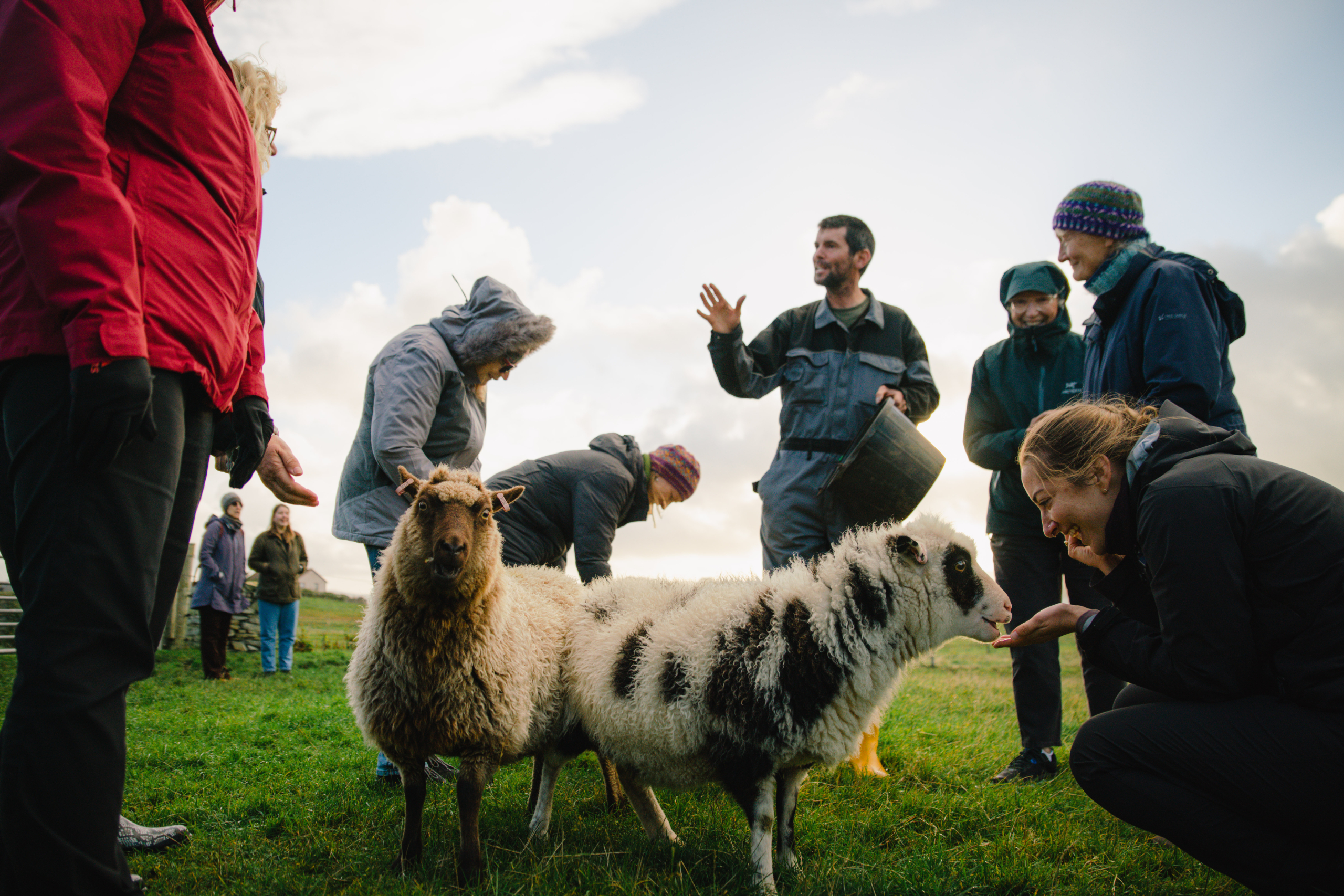
    Yes. Shetland has a growing number of trade-ready businesses experienced in working with tour operators, DMCs and travel planners. These suppliers offer a range of bookable experiences, including guided wildlife tours led by knowledgeable local experts, cultural and heritage experiences that bring Shetland’s Norse and maritime history to life, and boat trips that provide access to seabird colonies, coastal scenery and marine wildlife.

    There are also a variety of outdoor activities available, from walking and photography-focused tours to more specialist interests, allowing operators to tailor programmes to different client types. Many providers are flexible and able to accommodate small groups and independent travellers, or bespoke itineraries, making it straightforward to build programmes that align with specific interests, timings and budgets.

    We’re happy to help connect you with suppliers that are best suited to your requirements and support you in developing itineraries that work for your clients.

    View trade-ready listings

  • Are there any must-see attractions or experiences?

    What visitors experience in Shetland will depend on what your clients are looking for, but there is a wide range of options that can be combined into flexible itineraries.

    Highlights include wildlife such as puffins, seals and orcas; exploring well-preserved archaeological sites spanning thousands of years; and taking in dramatic coastal scenery through accessible walks and viewpoints. Alongside this, a strong tradition of music and crafts provides cultural experiences, while island-hopping offers opportunities to explore different island communities.

    Discover things to see and do

  • What events and festivals can be included in itineraries?

    Shetland hosts a varied programme of events and festivals throughout the year that can be incorporated into itineraries to bring an added sense of place. Highlights include the fire festivals in winter, alongside a strong calendar of folk, music and arts festivals across the spring and summer months, and Shetland Wool Week in autumn. Agricultural shows and community events also take place throughout the year, offering visitors a chance to experience local traditions and island life. Including these events can enrich itineraries and create memorable, distinctly local experiences for clients.

    See Shetland's calendar of events

  • How can we help?

    We’re here to support you in building memorable Shetland experiences for your clients. Whether you need itinerary ideas, supplier contacts or practical advice, our team is happy to assist. Email us at info@shetland.org

Enjoying the best of Shetland

With internationally significant seabird colonies, a high density of otters and year-round sightings of orcas and other cetaceans, Shetland’s wildlife rivals anywhere in Northern Europe.

Visitors can explore over 5,000 years of human history, including well-preserved brochs, major archaeological sites and Viking heritage, as well as the ancient landscapes of UNESCO Geopark Shetland, from volcanic formations to Europe’s largest tombolo beach.

This distinctive geology has shaped dramatic sea cliffs and unspoilt coastal scenery, alongside a wide range of beautiful, uncrowded beaches.

There is also more to Shetland than the outdoors, with a varied programme of events and festivals, lively bars and restaurants, a cinema, museums exploring many aspects of island life, and a range of accommodation options.

Need more information? Get in touch via info@shetland.org and we'll be happy to help.

Transport and accommodation options

Shetland: a year-round destination

Travel trade tour options

Whatever aspect of life in Shetland your visitors want to explore, there are many expert tours and guides on hand to help make the experience memorable.

Our islands are blessed with an exciting range of opportunities, from the adventurous to the traditional, and the wild to the delicious.

Anyone visiting Shetland can enjoy world-class heritage and archaeology or step back millions of years exploring Geopark Shetland.

Trade-ready tours

Check out VisitScotland's travel trade website and search for "Shetland" to discover more about the options for trade bookings. You’ll find companies who have committed to offer special rates, discounts and commissions exclusively available for the travel trade.

Find out morearrow-right