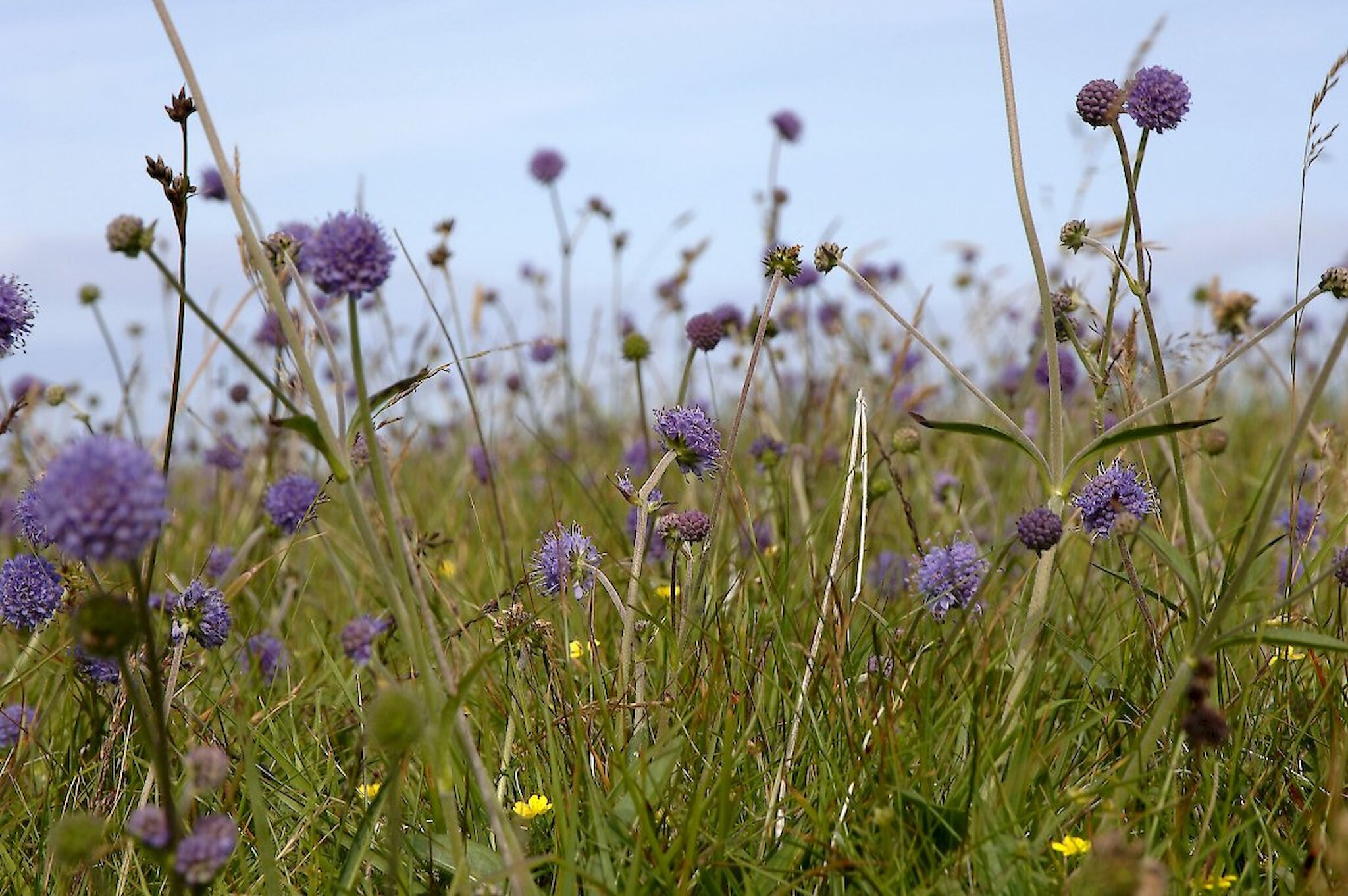
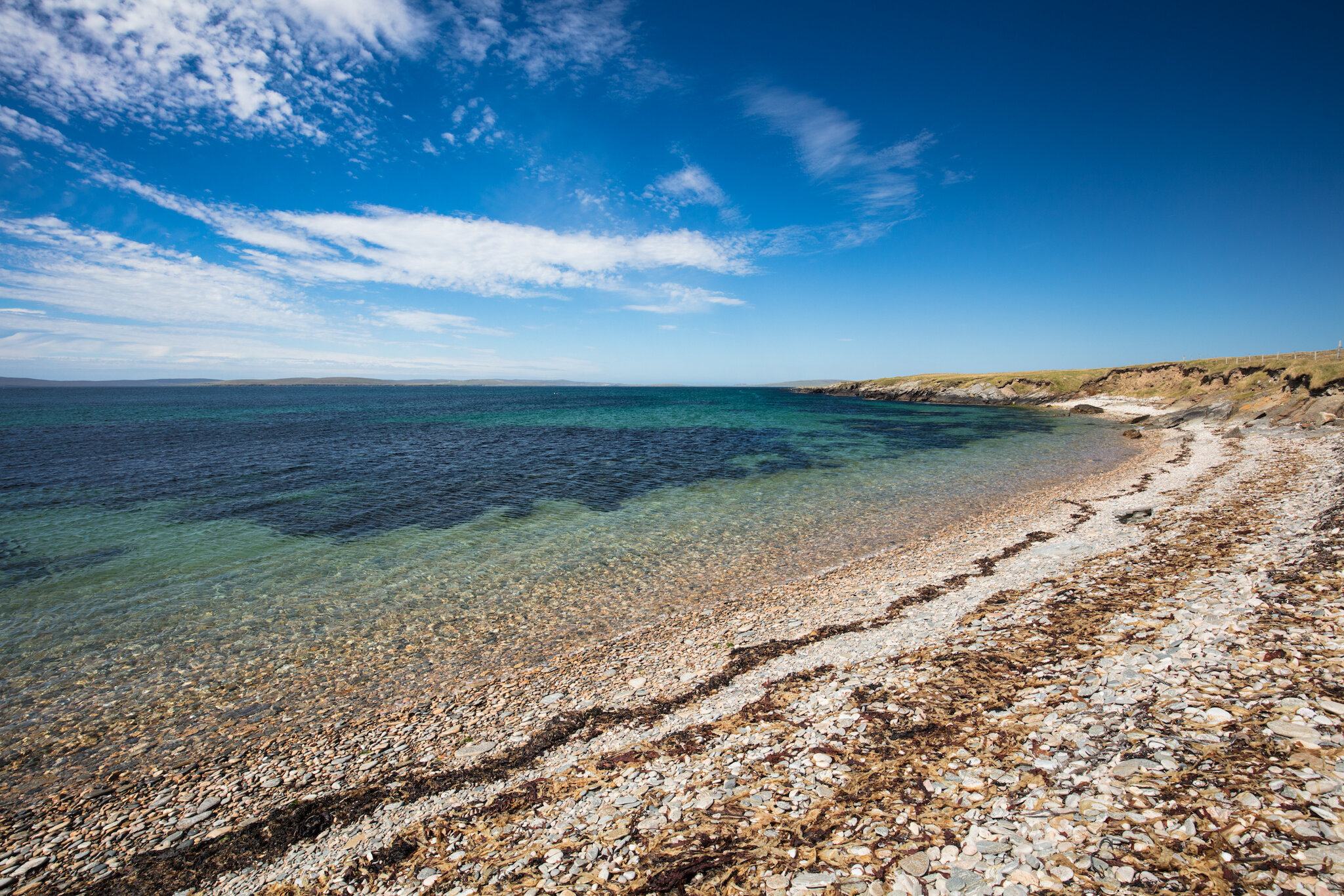
The smallest of Shetland's three North Isles, Fetlar is known as the 'garden of Shetland' thanks to its lush and fertile landscapes.

A quick introduction

The name Fetlar means 'the island of the fat land' in Old Norse and its rich grazings and fertile soils were a prime attraction even before the Vikings colonised it 1,200 years ago. Local tradition says Gruting in Fetlar was the site of the first Norse landing in Shetland – although Haroldswick in Unst may dispute this! What is certain is that Fetlar has been inhabited for at least 5,000 years.

There's evidence of settlements from different periods at various points on the island. Examples include the Haltadans stone circle (probably from the early Bronze Age), Neolithic cairns on Vord hill, 'Da Giants Grave' - a Viking boat burial, which featured on TV's 'Time Team', and the more recent Brough Lodge, a current restoration project.

How to get to Fetlar

To get to Fetlar from the Shetland Mainland you must travel by ferry from Toft to Ulsta, Yell (approximately 20 minutes), and then drive across Yell and take another ferry across the Bluemull Sound to Hamars Ness in Fetlar (approximately 25 minutes). Two ferries are operating at Gutcher, so be sure to check with the ferry crew that the ferry you are boarding goes to Fetlar.

If you are travelling by car, you are advised to book your vehicle on both ferries, particularly during the summer. For the latest ferry timetable and booking information, see the ferry page on the Shetland Islands Council website.

There is no fuel available on the island so please make sure you have sufficient before visiting. There are two EV charging points available at the Fetlar Interpretive Centre.

If you don't have your own transport, there is a bus service in Fetlar from Funzie to/from Hamars Ness. See the Zetrans website for details.

Where to stay

See our Accommodation page for a list of accommodation providers in Shetland. Fetlar Hall Campervan and Caravan Site welcomes camping vehicles.
Download a printable Fetlar Visitor Leaflet

Open the PDFarrow-right
Useful information
  • There's a shop and post office at Houbie.
  • The visitor information point is located in the Fetlar Interpretive Centre.
  • Public toilets are located at the ferry terminal.
  • Fetlar Public Hall is usually open on Saturday evenings for a community social night, sometimes with music. It's also used for events such as concerts and supper nights. Details of what's on are advertised locally.

Things to do

Fetlar Interpretive Centre

This is a good first stop for visitors to Fetlar. As well as the interesting exhibits and displays, there's also a range of leaflets and maps giving details of walks, sites of interest and other activities.

RSPB Mires of Funzie Reserve

This habitat supports a variety of wading birds, as well as an interesting diversity of insects and plants. With patience and luck you may see red-necked phalaropes – one of Britain's rarest breeding birds –from the hide or on the nearby Loch of Funzie.

Walking in Fetlar

There are lots of places to explore in Fetlar. There's a self-guided walking route around Funzie Ness on this website, or you can view a range of walks on the Fetlar website. Also, take a stroll on the sands at Tresta, one of Shetland's five award-winning beaches.

Loch fishing

The lochs of Fetlar offer some excellent trout fishing and can produce fine brown trout, particularly at the Loch of Papil behind Tresta beach. Access to some lochs is restricted as they lie within the RSPB reserve boundaries, so check before casting! See our Angling page for more information.

Fascinating facts

  • Legend says the ancient ring of stones known as the Haltadans is a fiddler and his wife (the two centre stones) who were playing music for a group of trows (Shetland's little people) dancing in a circle when the sun came up and turned them all to stone. The stones are sited in moorland, used by birds as a nesting site. Anyone visiting the area must obey the guidance in the Scottish Outdoor Access Code.
  • Fetlar is rich in stories and folklore. The Fetlar Interpretive Centre has extensive recordings of many stories told by Jeemsie Laurenson, a well-known local storyteller and man of legendary strength.
  • The island has fascinating geology, including rare relics of oceanic crust called ophiolites and a unique conglomerate in the area around Funzie. A 'geowall' made of the island's great variety of rock types is near the Loch of Funzie. Discover more about Geopark Shetland here.